If only a few years ago the term "artificial intelligence" belonged mostly to science fiction, today it has become part of everyday life. Millions of people interact with AI every day, often without even realizing it. It helps search for information, write content, analyze data, recognize images, and make decisions faster than ever before.
Yet despite its popularity, the question "What is artificial intelligence?" is not as simple as it may seem.
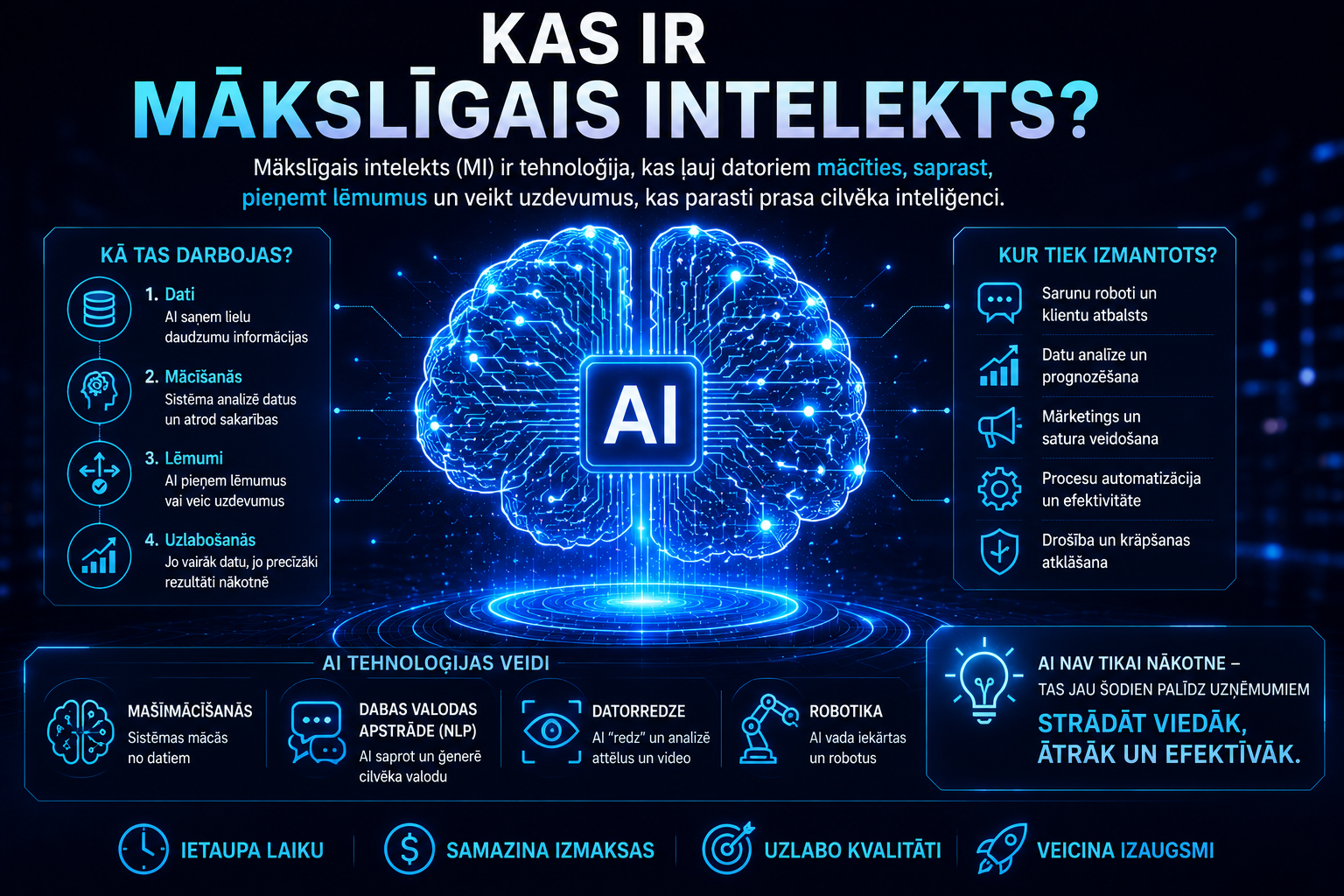
In its simplest form, artificial intelligence refers to computer systems that can perform tasks traditionally associated with human intelligence. These tasks include understanding language, recognizing patterns, making predictions, and interacting with people through natural conversation.
It is important to understand that modern AI does not think the way humans do. It has no emotions, intuition, or personal understanding of the world. Instead, it processes enormous amounts of information and identifies patterns that would be difficult for humans to detect on their own.
This ability to process information at scale is one of the main reasons AI has advanced so rapidly in recent years. Companies around the world are investing billions into technologies that can automate processes, reduce costs, and improve productivity.
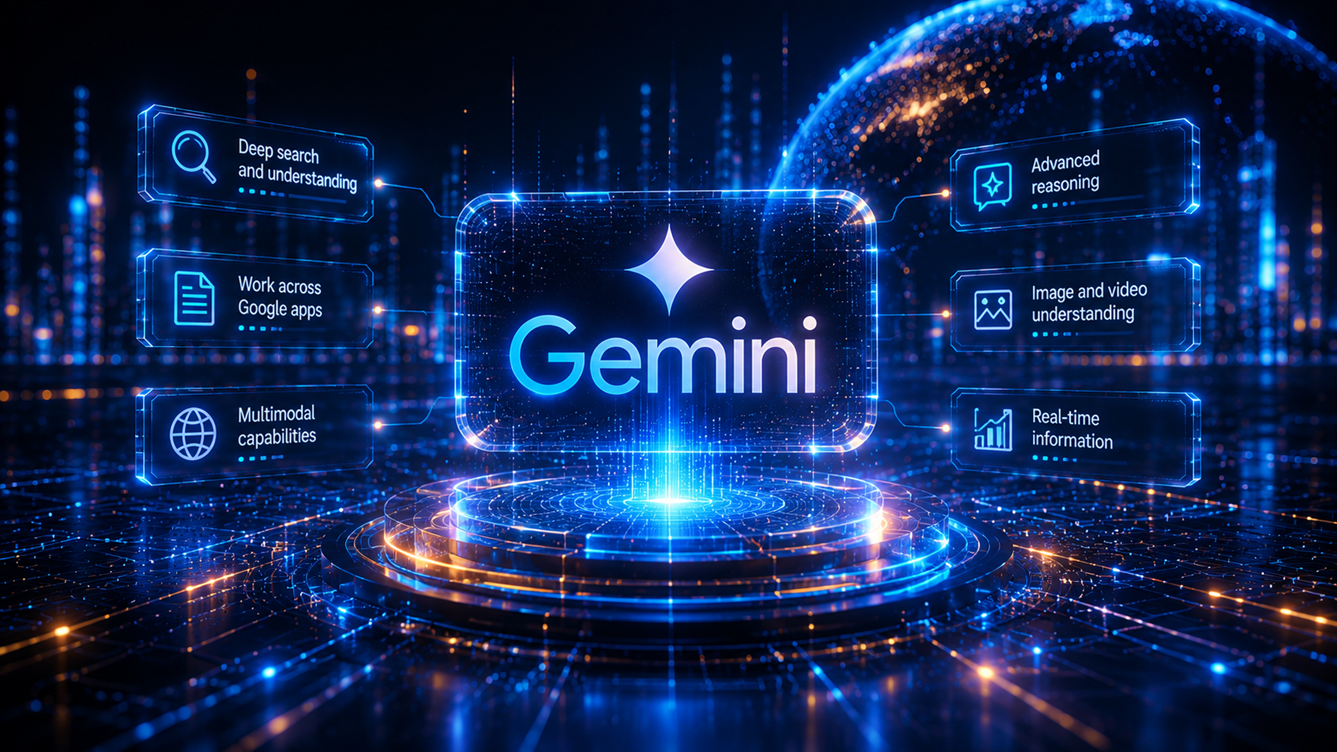
Most people experience AI through tools such as ChatGPT, Claude, or Gemini. However, these are only a small part of the broader AI landscape. Today, artificial intelligence is used in healthcare, finance, logistics, manufacturing, e-commerce, and countless other industries.
For many organizations, the conversation is no longer about whether AI will become important. That transition has already happened. The more relevant question is how businesses and individuals can use this technology effectively.
Perhaps the most accurate way to describe artificial intelligence in 2026 is not as a future technology, but as a new kind of tool—one that is gradually becoming as common as email or the internet itself.